
I have never been a big fan of traditional voting on complex and important decisions. The outcomes of a yes/no vote rarely represent true consensus. When we are serious about leading a healthy and principled organisation and we genuinely want to move things forward it is important to understand the power of genuine consensus.
When we reach genuine consensus the team moves forward. Committed, engaged and resolute. How many times have we made a decision based on a simple vote but in practice what we thought represents\ed agreement on a visionary idea was in reality a vote on “Hey, who wants to end this meeting quickly.”

The consensus method I want to share creates a climate whereby everyone needs to authentically commit to the decision making process. A yes , is rarely a simple yes. There are always conditions. In this model everyone’s ideas are heard, and you come to a decision that all team members can support and commit to. This interactive and consultative process can deliver powerful goodwill. It makes decisions very real!
The Process
Participants first spend appropriate time discussing the topic in question. It could be 20 min or 2 weeks. The discussion can take part in groups, pairs or as a whole team. Whatever is appropriate for the topic you are exploring. When it is clear that all information has been shared and debated openly the meeting then calls for a vote.
How to Vote ?
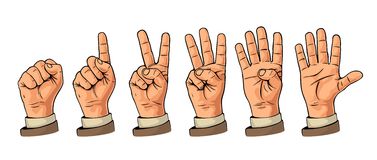
Participants raise their hand a little differently!
5 fingers means, “I like this a lot, I think it’s the best possible decision.”
4 fingers means, “This is fine.”
3 fingers means, “I’m in the middle somewhere. Like some of it, but not all.”
2 fingers means “I don’t much like this but I’ll go along.”
1 finger means, “I’ll just barely go along.” or, “I don’t like this but it’s not quite a no.” and “I have an alternative.”
or, “I think there is lots more work to do on this proposal.” In consensus this indicates standing aside, or not being in agreement but not blocking the consensus.
A fist means, “I Vote NO.” or in consensus it means , “I object and will block consensus (usually on moral grounds).”
When is a Decision Confirmed?
People who vote 1’s or by fists are most often given a chance to speak and have their concerns addressed one by one. Each person gets a chance to speak and present their case. Depending on the outcome of this input and the ability of the group to address the concerns a second vote might then be taken.
It would be concerning if too many people voted 1 or 2 because you know there must be some significant objections. Note also that you can adjust the model and place a condition on “1” that the person should provide an alternative solution. This way the objection must come with some conditions that the person is making genuine attempts to work collaboratively. To say no is fine but it is helpful when alternatives are offered.
The greatest advantages of this model is that it creates a frame around effective decision making that guides people to be collaborative and positive. It concentrates on and cares about good process.Objectors will stop or slow down progress. In this model leaders have justified mechanisms in place to ensure they know exactly how committed the team are, or are not, to the plan.
Remember, strong leadership delivers results. It might sometimes be more pertinent to invest more time to get effective commitment so that you know you can truly achieve your goals.
For more details check out a full explanation on the podcast: Global Leadership with Greg Parry: Consensus Decision Making Models

About GSE
Global Services in Education plans and opens international schools for investors, developers and governments, and manages them once they are running. GSE has delivered more than 60 school and education projects across 28 countries. Management agreements run a minimum of ten years.
The company was founded in 2011 by Greg Parry and Shanna Parry.