

Mastering the Art of Conference Speeches: 8 Essentials for Success
Conference speeches are platforms for sharing knowledge, inspiring action, and fostering connections. Crafting a high-quality speech requires a blend of storytelling, research-backed content, and engaging delivery.
Here are eight key features to ensure your conference speeches leave a lasting impact:
1. Personal Storytelling:
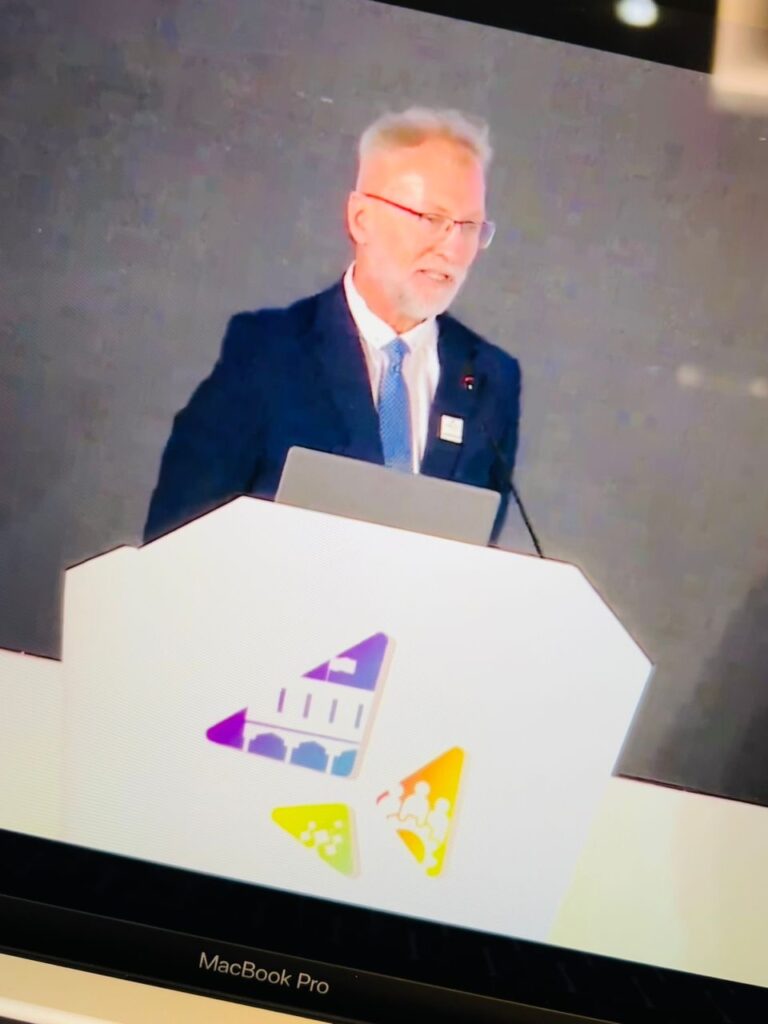
Begin your conference speeches by sharing a personal anecdote or journey related to the topic. Personal stories humanize your message, captivate the audience’s attention, and create an emotional connection. For instance, if you’re speaking on educational leadership, you could start by recounting a transformative experience you had in your formative years as a new or developing leader.
“I like to share real stories about my leadership experience that reflect key principles I am trying to share. This brings the audience into my own mind. “
Greg Parry GSE CEO
2. Research-Based Content:
Ground your speech in evidence-based research and data to strengthen your arguments and enhance credibility. Incorporate relevant studies, statistics, and findings to support your key points. Referencing reputable sources lends authority to your speech and builds trust with the audience. For example, citing evidenced-based research from Michael Fullan on change management or Marzano on the effectiveness of teaching strategies shows credibility.

“Name the person and theory so that the audience can follow up later. Describe the evidence you have seen or heard that proves these ideas. Your own unique ideas are important, but they will have greater impact if the audience can connect the ideas directly to a well-regarded and published leader or theorist.”
Greg Parry GSE CEO
3. Clear Structure:
Organize your conference speeches coherently with a clear introduction, body, and conclusion. Outline the main points you intend to cover and establish a logical flow between them. Use signposts or transitions to guide the audience through different sections of your speech. A well-structured presentation keeps listeners engaged and facilitates comprehension.
“Crafting a captivating speech shares similarities with composing a chart-topping song. Just as a song’s introduction sets its vibe, your speech’s opening establishes the mood. Throughout your speech, it’s essential to signpost key ideas, guiding your audience through the journey much like verses and choruses do in a song. As you progress, steadily build energy, culminating in a powerful crescendo at the end, leaving your audience inspired and energized.”
Greg Parry GSE CEO
4. Engaging Opening:
Capture the audience’s attention from the outset with a compelling opening statement, question, or quote. Avoid generic greetings or thank-yous that can dampen momentum. Instead, pique curiosity and set the tone for your speech. Consider starting with a thought-provoking question or a startling fact to grab attention and stimulate interest. In most cases, you will already be introduced by another party, and key facts about you will be shared. Any new and interesting details can be woven into the content you share, especially if in context from past experiences.

Don’t start with “Hello, my name is…” Be introduced properly then commence your speech. “I am sorry but…….” should always be avoided. A delay in commencing the speech, an explanation about a technology hiccup or any other irrelevant matter should never start your speech. Don’t thank the audience or those who invited you.
“Grab the microphone, take your place and take charge and present with principle and passion. Your cue to start means start and sprint straight out of the blocks like a winner!”
Greg Parry GSE CEO
5. Interactive Elements:
Incorporate interactive elements such as audience polls, Q&A sessions, or multimedia content to engage attendees actively. Interaction fosters participation, stimulates discussion, and creates a dynamic atmosphere. Encourage audience members to share their thoughts or ask questions, fostering a sense of inclusivity and collaboration. If this is not possible, due to the presentation being a keynote with a large audience, provoke thought, create pauses for reflection and give the audience time for internal dialogue or reflection, connecting to your new ideas. “Think about a time when ……. <insert pause> ……………” “Consider the top 5 obstacles you face in the workplace during an average week…….. <insert pause> ……………were they human-related challenges or more concrete and physical challenges?”
“If it is an interactive workshop, you want energy to be shared between the participants and through shared dialogue and ideas. If it is a keynote speech, you want internal dialogue and reflection to occur. Put yourself in the audience’s chair and transfer energy to that place throughout.”
Greg Parry GSE CEO

6. Vivid Imagery:
Use descriptive language and vivid imagery to paint a vivid picture in the minds of your listeners. Create sensory-rich experiences by appealing to sight, sound, taste, smell, and touch. Analogies, metaphors, and storytelling techniques can make complex concepts more accessible and memorable. Transport your audience to different worlds and evoke emotions through the power of imagery. If using a PowerPoint presentation, use mostly images and not text. Where possible, do not use scripted notes. Speak naturally and connect to the imagery you have posted in the PowerPoint. Transport the audience into real-life contexts and not stiff or academic spaces.
7. Authentic Delivery:
Deliver your conference speeches with authenticity, passion, and sincerity. Be genuine in expressing your convictions and beliefs, as authenticity resonates with audiences on a deeper level. Maintain eye contact, use natural gestures, and vary your tone and pace to keep listeners engaged. Authenticity fosters trust and fosters a genuine connection with your audience. Less content is better, especially when you dig deeper and make a genuine and authentic connection to the topic. Speak slowly and create a pause.

Honestly, almost every speech I give includes a heartfelt message with emotion and passion. For me, that might mean a an occasional pause to gather myself and avoid a tear. To you, it might mean conviction, a raised voice and an impassioned tone. It is important that you are authentic and that the audience hears and feels the sincerity.
Greg Parry GSE CEO
8. Compelling Conclusion:
End your speech with a strong and memorable conclusion that reinforces your main message and leaves a lasting impression. Summarize key points, reiterate the importance of your topic, and provide a call to action for the audience. Leave them inspired, informed, or motivated to take meaningful steps towards change or further explore the topic. Circle back to your main topic and opening story or remarks. You should have commenced by indirectly setting the objectives of your speech, and the conclusion should confirm that you reached them.
Incorporating these eight key features into your conference speech can elevate its impact and effectiveness. By blending personal storytelling, research-based content, and engaging delivery, you can captivate your audience, spark meaningful dialogue, and inspire positive change. So, the next time you step onto the conference stage, remember to craft your speech with purpose, passion, and precision.
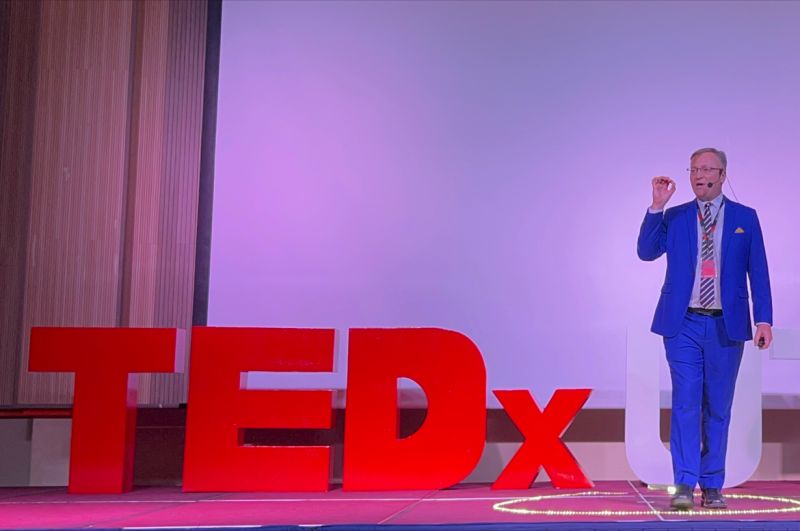
Watch Greg Parry’s very entertaining and successful Ted Talk:
To talk about your school project, reach us through the contact page.
About GSE
Global Services in Education plans and opens international schools for investors, developers and governments, and manages them once they are running. GSE has delivered more than 60 school and education projects across 28 countries. Management agreements run a minimum of ten years.
The company was founded in 2011 by Greg Parry and Shanna Parry.