

Understanding William Glasser’s Choice Theory and the Quality World Picture in Educational Leadership
A renowned psychiatrist, William Glasser, introduced Choice Theory as a framework for understanding human behaviour and motivation. At the heart of Choice Theory lies the concept of a “Quality World Picture,” which profoundly impacts our perceptions and beliefs, especially in educational leadership contexts. This article delves into Glasser’s Choice Theory, explores the notion of a Quality World Picture, and discusses its relevance in educational leadership, emphasizing the necessity of recognizing how filters shape our perceptions and influence our beliefs about quality leadership behaviours.
Choice Theory: A Foundation for Understanding Human Behavior

Choice Theory posits that all human behaviour is driven by five fundamental needs: survival, love and belonging, power, freedom, and fun. Glasser asserts that individuals seek to fulfil these needs through choices and actions. Moreover, he emphasizes the importance of personal responsibility, asserting that individuals have the power to choose their behaviours, regardless of external circumstances. Choice Theory highlights the significance of understanding our motivations and the consequences of our choices in shaping our lives.
The Quality World Picture: Shaping Perceptions and Beliefs
Central to Choice Theory is the concept of a Quality World Picture, which represents an individual’s idealized vision of their world. This mental construct encompasses people, places, experiences, and objects that bring joy, fulfilment, and satisfaction. The Quality World Picture is a guiding force, influencing our decisions and actions as we strive to create and maintain our desired reality. It is subjective and deeply rooted in our values, beliefs, and personal experiences.
Application in Educational Leadership: Understanding Perspectives and Behaviors
In the realm of educational leadership, awareness of Choice Theory and the Quality World Picture is paramount. Educational leaders must recognize that each school community member, including students, teachers, and staff, holds a unique Quality World Picture that shapes their perceptions, motivations, and behaviours. Effective leadership entails understanding and respecting these diverse perspectives.
The Impact of Filters on Perception and Quality World Picture

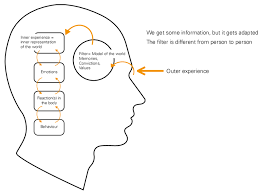
Filters, or mental lenses through which we interpret the world, significantly shape our perceptions and beliefs about leadership behaviours. These filters are influenced by factors such as cultural background, personal experiences, and societal norms. Educational leaders must acknowledge the presence of these filters and their potential to distort perceptions of quality leadership behaviours.
Cultivating Awareness and Empathy in Leadership
Educational leaders must cultivate self-awareness and empathy to navigate the complexities of diverse perspectives within the school community. Leaders can adopt a more inclusive and equitable leadership approach by recognising how their filters influence their perceptions and beliefs. Moreover, fostering open dialogue and active listening enables leaders to gain insight into the perspectives of others and create a supportive and collaborative school environment.
Empowering Leadership Through Understanding
William Glasser’s Choice Theory and the concept of a Quality World Picture offer valuable insights into human motivation and behaviour, particularly in educational leadership contexts. By acknowledging the subjective nature of individual perceptions and the influence of filters on our beliefs, educational leaders can adopt a more empathetic and effective leadership approach. Ultimately, cultivating awareness and understanding of diverse perspectives empowers leaders to create inclusive and supportive environments where all school community members can thrive and succeed.
For more information about Glasser’s theories direct from the source, Learn more
To talk about your school project, reach us through the contact page.
About GSE
Global Services in Education plans and opens international schools for investors, developers and governments, and manages them once they are running. GSE has delivered more than 60 school and education projects across 28 countries. Management agreements run a minimum of ten years.
The company was founded in 2011 by Greg Parry and Shanna Parry.