
The Strengths, Weaknesses, Opportunities, and Threats of Establishing an International School in Botswana
Botswana, a country distinguished by its political stability, economic growth, and cultural richness, presents a compelling opportunity for establishing an international school. This article delves into an objective analysis of the Strengths, Weaknesses, Opportunities, and Threats (SWOT) associated with setting up a new school in Botswana, incorporating detailed data on market demand, economic conditions, and social factors.
Read through to the end and review our verdict!
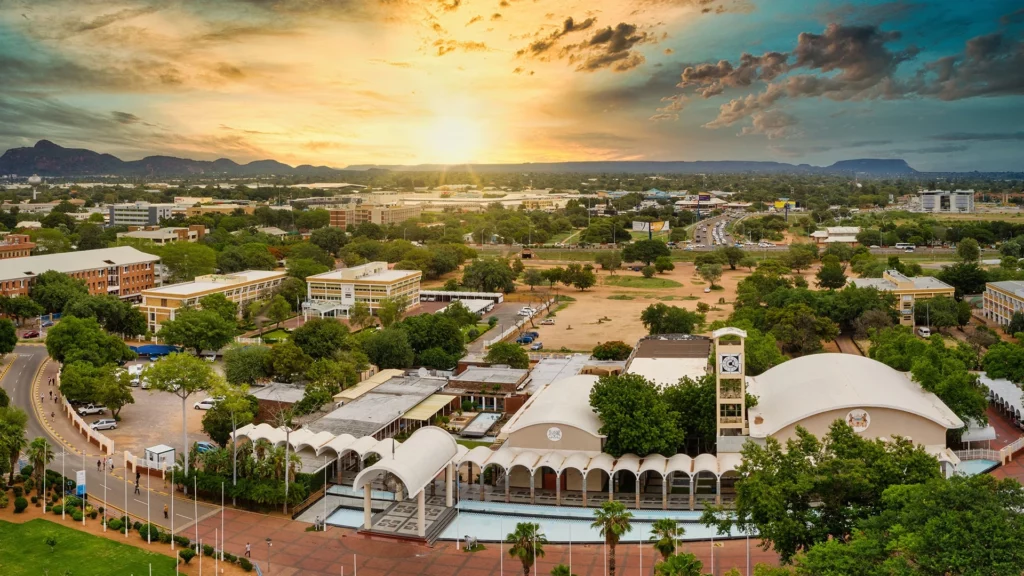
Strengths of a Plan for a New School in Botswana
1. Political Stability and Economic Growth
Botswana is celebrated for its political stability and sound governance, which foster a secure environment for foreign investments. According to the World Bank, Botswana has enjoyed an average GDP growth rate of approximately 4% per year over the past decade, driven by its robust diamond industry and diversification into sectors like tourism and agriculture. This economic stability ensures a reliable backdrop for establishing and operating an international school.
2. Growing Middle Class and Expanding Market
Botswana’s middle class has been expanding steadily. The African Development Bank reports that the middle class now represents over 20% of the population, a figure expected to grow as the economy develops. This growing middle class increasingly seeks high-quality education for their children, driving demand for international schooling options. Families with higher disposable incomes are more willing to invest in education that offers global standards and opportunities.
3. Presence of Expatriate Communities
Botswana hosts a considerable expatriate community, including professionals working in mining, finance, and diplomacy sectors. These expatriates often seek international schools that provide curricula familiar to their home countries. The presence of these communities creates a ready market for an international school, which can cater to the educational needs of expatriate families and offer them a familiar academic environment.
4. Strategic Location and Regional Connectivity
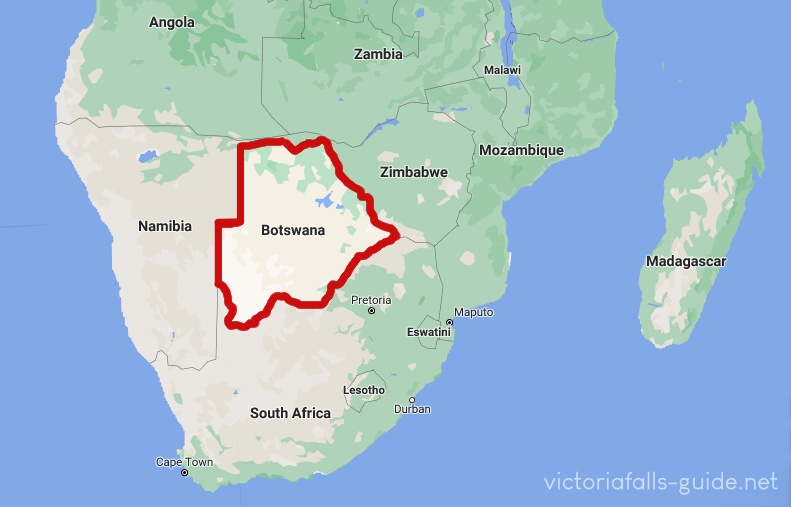
Botswana’s central location in Southern Africa provides strategic advantages for regional education. With direct access to major transport routes and proximity to countries such as South Africa, Namibia, and Zambia, an international school in Botswana could attract students from neighbouring regions. This regional connectivity enhances the school’s potential market reach and establishes Botswana as a hub for international education in Southern Africa.
5. Supportive Government Policies
The Botswana government actively supports educational advancements and foreign investments. Recent initiatives have included partnerships with international educational organizations and incentives for foreign investors. For example, the Botswana Investment and Trade Centre (BITC) offers various support mechanisms to attract and facilitate investment in key sectors, including education. Such policies create a favourable environment for setting up an international school.

Weaknesses of a Plan for a New School in Botswana
1. Limited Local Infrastructure
While Botswana has made significant strides in development, certain areas still face infrastructure challenges, especially in rural regions. Establishing a state-of-the-art international school will likely require substantial investment in infrastructure, including reliable transportation, utilities, and technology. Addressing these limitations may involve additional costs and planning.
2. High Initial Investment Costs
The capital required to establish an international school is considerable. Land acquisition, construction, staffing, and curriculum development costs can be substantial. The initial financial outlay may pose a risk, particularly if economic conditions fluctuate or if the anticipated enrollment rates take time to materialize.
3. Teacher Recruitment and Retention
Recruiting qualified international educators who are familiar with international curricula can be challenging. Botswana may have a limited pool of experienced educators in this field, necessitating competitive salaries and benefits to attract and retain high-quality staff. This challenge could increase operational costs and impact the school’s financial sustainability.
4. Cultural and Language Differences
Adapting international curricula to fit local cultural and linguistic contexts can be complex. Balancing international education standards with local cultural norms requires careful planning and community engagement to ensure acceptance and effectiveness.
Opportunities for a New School in Botswana
1. Rising Demand for International Education
The demand for international education in Botswana and the broader Southern African region is rising. As globalization influences educational preferences, families increasingly seek schools offering international curricula and global perspectives. According to International Schools Research, the number of international schools in Africa is increasing, indicating a substantial market for new entrants.
2. Potential for Regional Expansion
Botswana’s central location positions it as a potential hub for attracting students from neighbouring countries. This regional expansion can enhance the school’s financial viability by increasing its student base and revenue streams. Additionally, establishing a strong regional presence could lead to partnerships with other educational institutions and organizations.
3. Partnerships and Collaborations
Opportunities for partnerships with international educational organizations, universities, and corporate sponsors abound. Collaborating with established entities can enhance the school’s offerings, provide access to resources, and bolster its reputation. Strategic alliances can also facilitate access to funding, expertise, and global networks.
4. Government and NGO Support
Botswana’s commitment to improving educational standards and supporting educational initiatives creates opportunities for collaboration with government agencies and NGOs. Leveraging these resources can provide additional funding, support, and advocacy for the new international school, enhancing its prospects for success.
Threats to Launching a New School in Botswana
1. Economic Fluctuations
While Botswana’s economy is generally stable, it is subject to fluctuations, particularly in the diamond industry, a significant economic driver. Economic downturns or shifts in global commodity prices could impact investor confidence and the school’s financial stability. Monitoring economic trends and preparing contingency plans will mitigate these risks.
2. Competition from Existing Institutions
There may be established international and private schools in Botswana that already cater to expatriate and local families. Competing with these institutions, which may have a strong reputation and established student base, could be challenging. Differentiating the new school through unique offerings and high-quality education will be essential.
3. Regulatory and Accreditation Challenges
Navigating Botswana’s regulatory landscape and obtaining necessary accreditations can be complex. Ensuring compliance with local and international educational standards requires thorough planning and adherence to regulations. Delays or challenges in accreditation can impact the school’s ability to attract students and operate effectively.
4. Social and Cultural Resistance
Introducing a new educational model may face resistance from local communities or cultural institutions. Engaging with community leaders and ensuring cultural sensitivity will be important in addressing any opposition and fostering acceptance of the new international school.
The Verdict – Should We Launch a New School in Botswana?
Establishing an international school in Botswana represents a promising investment opportunity. The country is positioned as a prime location for educational innovation and growth due to various favourable factors, including political stability, economic progress, and a burgeoning demand for quality education. This combination creates a solid foundation for success.
Botswana’s notable political stability and sound governance are pivotal strengths that offer a secure environment for investment. The country’s impressive track record of democratic stability and transparent administration provides a reliable backdrop for establishing and operating a new international school. This stability mitigates risks and builds investor confidence, ensuring a supportive long-term planning and development environment.
Botswana’s economic growth trajectory is robust and promising, underpinned by a diversified economy that includes a strong diamond industry, expanding tourism, and agriculture sectors. The country’s impressive average GDP growth rate of around 4% annually reflects a resilient and evolving market. Botswana, recognized as a middle-income country and one of Africa’s fastest-growing economies over the past decade, relies heavily on diamond extraction, which accounts for more than one-third of GDP, nearly all export earnings, and half of government revenues. Key sectors also include trade, hotels, and restaurants (24% of GDP), financial and business services (17%), general government (15%), and mining (12%). Other sectors, such as construction, social services, and manufacturing, contribute to the economy, while agriculture and utilities play smaller roles. This economic health has increased disposable incomes, particularly among the rising middle class, representing over 20% of the population. This expanding middle class actively seeks high-quality education options for their children, creating a growing market for international schools that offer global standards and competitive advantages. (Source)
A substantial expatriate community in Botswana further enhances the appeal of setting up an international school. Professionals from diverse sectors, including mining, finance, and diplomacy, often seek educational institutions that offer curricula aligned with international standards. By catering to this demand, an international school can tap into a ready market of families prioritising education that mirrors their home countries’ systems. This existing demand is a significant asset, ensuring a strong potential enrollment base from the outset.
Botswana’s central location in Southern Africa offers strategic advantages for regional expansion. Its connectivity to neighbouring countries such as South Africa, Namibia, and Zambia positions it as a regional hub for international education. This geographic advantage allows the school to attract students from across the Southern African region, expanding its market reach and enhancing its financial viability. By establishing a solid regional presence, the school can forge valuable partnerships with other educational institutions and organizations, further enhancing its reputation and resources.
Government support for educational initiatives and foreign investments adds another layer of opportunity. Botswana’s policies and incentives for foreign investors, including tax breaks and supportive regulatory frameworks, create a favourable environment for establishing new educational institutions. Collaborations with international academic organizations and leveraging government and NGO support can provide additional resources, funding, and expertise, bolstering the school’s prospects for success.
Significant strengths and positive factors underpin the opportunity to establish an international school in Botswana. The country’s political stability, economic growth, rising middle class, and presence of expatriates create a robust foundation for success. Investors can position the new international school as a leading educational institution in Botswana and Southern Africa by capitalising on these strengths and addressing potential challenges with strategic planning and community engagement. The alignment of market demand with Botswana’s favourable conditions presents a unique and exciting opportunity to contribute to the educational landscape and achieve lasting success in this dynamic and promising region.
For more Research about other countries in Africa :
Education in Africa: Market Research about Education Investment Opportunities
If you want to learn more about the steps required to set up a school check out some of our other articles:
– Steps to Setting Up a New School
– 10 Steps and Articles on How to Set Up a New School
– GSE International School Franchise Models
About GSE
Global Services in Education plans and opens international schools for investors, developers and governments, and manages them once they are running. GSE has delivered more than 60 school and education projects across 28 countries. Management agreements run a minimum of ten years.
The company was founded in 2011 by Greg Parry and Shanna Parry.