
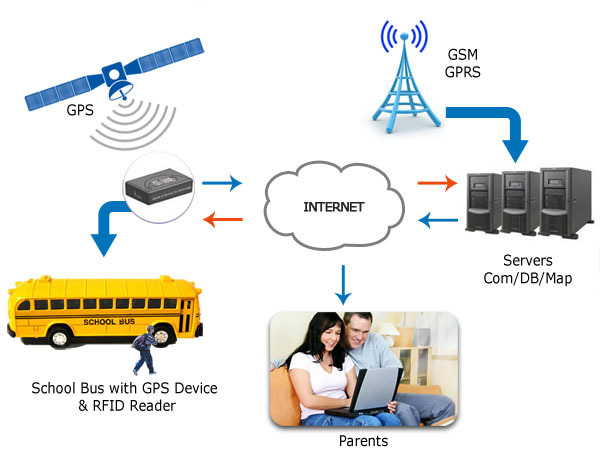
Ensuring the safety of students and efficient traffic management at schools can be significantly enhanced by adopting advanced technologies for student tracking. Implementing modern solutions improves the safety of school transportation and alleviates common issues associated with student drop-off and pick-up zones. Here’s a look at how integrating various technologies can make a substantial difference:
School Bus and Student Tracking Apps
One of the key technologies transforming school transportation is school bus tracking apps. These apps provide real-time updates on the location and status of school buses, offering several benefits:
- Enhanced Visibility for Parents: Parents can track their child’s bus in real-time, reducing uncertainty about arrival times and allowing them to make alternative arrangements if the bus is delayed or does not arrive as scheduled.
- Improved Communication: These apps help manage expectations and reduce anxiety related to student transportation by keeping parents informed about the bus’s location and estimated arrival time.
For example, Baltimore County has successfully implemented the BusWhere app, which has proven effective in providing accurate arrival times and location updates. This technology ensures parents can stay informed and plan accordingly, minimising disruptions to their daily routines.
RFID Student Tracking Systems
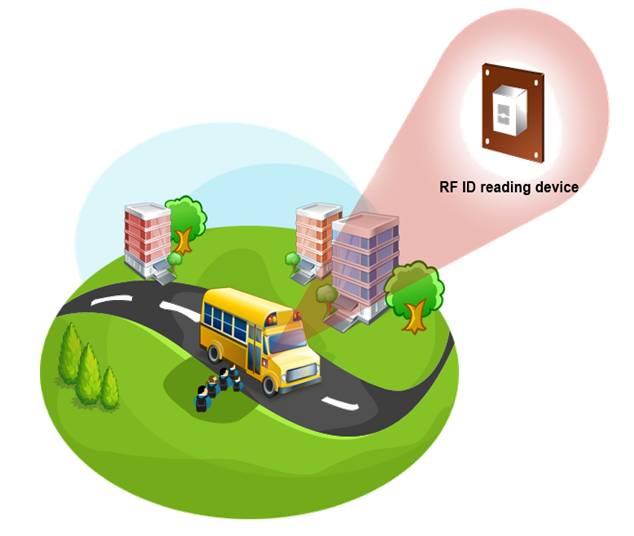
RFID (Radio Frequency Identification) tracking systems are another crucial advancement in school transportation technology. These systems assign each student a unique ID card that they scan when boarding and disembarking from the bus. The benefits include:
- Real-Time Student Tracking: RFID systems help drivers and parents track which students are on the bus, reducing the risk of students being left behind or getting on the wrong bus.
- Immediate Access to Data: This technology provides instant access to ridership and route data, including deviations and speed, allowing for prompt responses to any issues.
- Enhanced Safety: RFID systems significantly increase student safety by preventing students from getting off at incorrect stops or boarding the wrong bus.
For instance, the Katy Independent School District in Texas uses RFID Smart Tag ID cards for over 90,000 students, ensuring accurate tracking and safety while providing a manual check option for students who forget their ID cards.
SDS Motion-Sensor Technology for Student Tracking
To address safety concerns related to blind spots around school buses, SDS (Student Detection System) Motion-Sensored Technology has been implemented in various districts. This technology includes:
- Zone Detection: SDS systems use microwave radar sensors to monitor five key zones around the bus driver’s side, front zone, passenger side, side zone, and rear tyre zone. These sensors activate when the bus’s flashers are on and alert the driver if an object is detected.
- Improved Safety: SDS technology helps prevent accidents involving students who may be near or behind the bus by alerting drivers to objects in blind spots.
New Jersey’s “Abigail’s Law,” which mandates these sensors in newly manufactured school buses, highlights the importance of such technology in protecting young students.
Integration of Advanced Student Tracking Technologies
Beyond these individual technologies, many school districts are exploring integrated solutions like Bytecurve360. This platform connects routing software with GPS fleet tracking to comprehensively view school transportation operations. Key features include:
- Driver Communication: A dedicated app for driver communication enhances coordination and responsiveness..
- Enhanced Operational Efficiency: Bytecurve360 provides a unified view of transportation operations, improving management and safety.

By incorporating these advanced technologies—school bus tracking apps, RFID student tracking systems, and SDS motion-sensor technology — schools can significantly improve traffic management and student safety. Each solution contributes to a safer and more efficient transportation experience, ensuring that students are transported to and from school with greater security and reliability.
Read our very comprehensive article on School Traffic Management:
School Traffic, Drop-Off and Pick-Up Areas: Proactive Design Ideas
This article provides comprehensive advice for school master plan designs and management of transport and traffic circulation
If you want to learn more about the steps required to set up a school check out some of our other articles:
– Steps to Setting Up a New School
– 10 Steps and Articles on How to Set Up a New School
– GSE International School Franchise Models
About GSE
Global Services in Education plans and opens international schools for investors, developers and governments, and manages them once they are running. GSE has delivered more than 60 school and education projects across 28 countries. Management agreements run a minimum of ten years.
The company was founded in 2011 by Greg Parry and Shanna Parry.