
Part 5 of GSE’s “What We Believe” Series:
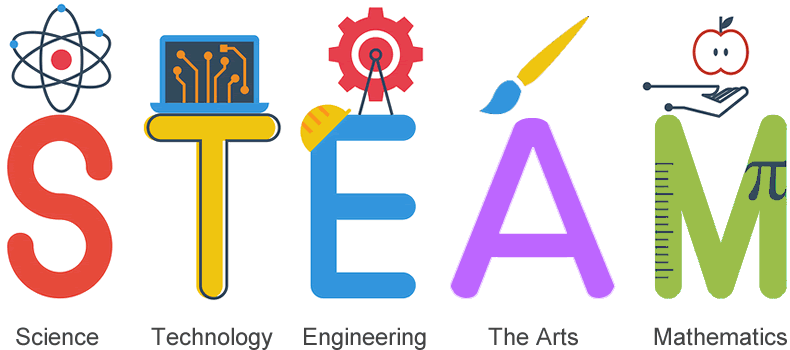
It was an important development in education when STEM transformed into STEAM.
STEM is of course an acronym for the fields of science, technology, engineering and math. It is my recollection that STEM became a political and educational priority because too few university students were pursuing degrees in these fields. In Australia the valuable demand for natural resources was also driving demand for trained staff in the trade and engineering fields connected to mining.
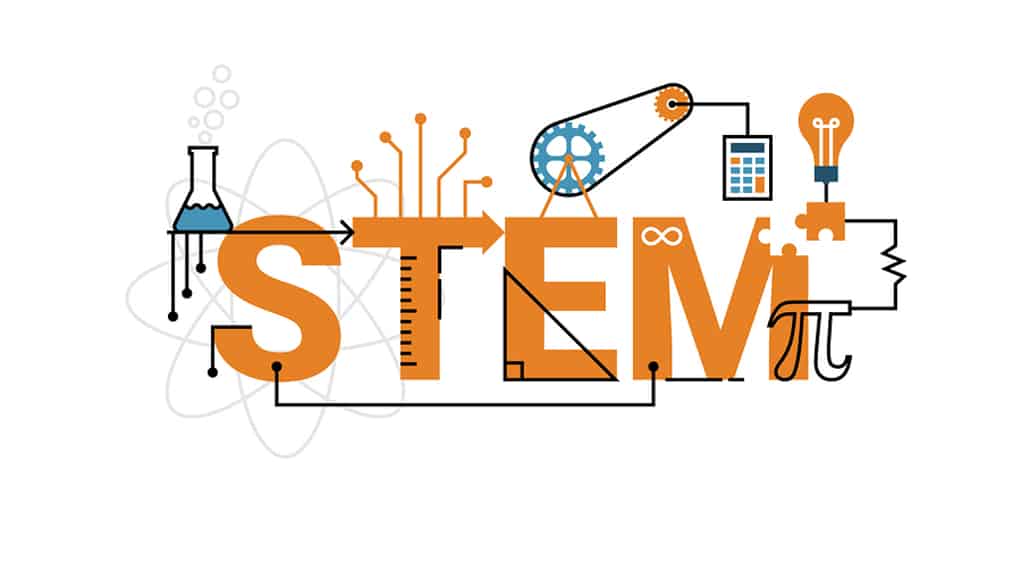
There was of course a broader need for this focus and attention as more recent generations have been criticised for poorer achievements in Maths and Science. A perception by some that teaching methods were not engaging reminded educators that Maths and Science fields were in fact very exciting, especially when genuine and authentic connections are drawn to real life concepts as well as solving problems in new and exciting ways. Making discoveries visible, practical and hands on makes Maths and Science truly come to life.
The ideas truly grew legs though when we understood that the Arts and Creativity are essential components of Maths and Science applications. History has told us that innovation and invention, design and creation require an integration of logical as well as abstract thinking. This is why STEM transformed into STEAM. Inventors are out of the box creative thinkers who embrace the Sciences, Technology as well as the Arts in terms of creativity and thinking processes. STEAM educators, are focussed on a greater need for science, technology, engineering and maths (STEM) concepts to integrate with the arts (STEAM) across the wider curriculum.
The main difference between STEM and STEAM is that STEM explicitly focuses on scientific concepts. STEAM investigates the same concepts, but does this through inquiry and problem-based learning methods used in the creative process. When STEM transformed into STEAM it embraced real world thinking and applications.
Leonardo Da Vinci showed us countless examples of the importance of combining science and art to make discoveries. Da Vinci is best known for his paintings but he was also a philosopher, designer, engineer, and inventor. He predicted future technologies and laid the ground work through his design drawings for helicopters, tanks, solar power and many other inventions. In fact if you review some of the greatest innovators of recent times you will note that all of them, in some ways, were STEAM leaders. Mathematicians and Scientists are most often very creative.
While there is a need to specialise and to focus in depth on key science areas, as well as the arts, if we do not understand how to integrate and embrace the STEAM fields together we will not continue to invent, innovate and design at the rates so essential for our modern day world.
The crisis of Covid-19 tested us all and in many ways our mindset and ability to respond to new obstacles created new opportunities and solutions. During the Pandemic motor car factories re-tooled to manufacture ventilators. Fashion designers joined forces to make face masks and sew medical gowns for healthcare personnels. Inmates from prisons learnt sewing skills then payed it forward to front liners with ‘home’-sewn masks. Supermarkets quickly responded to panic shopping and emerging needs by setting up special hours for the elderly and disabled to do their groceries. Robotics and automation was applied in many contexts to support social distancing in very creative ways. The list is endless.

In fact most innovation and inventions are a response to a crisis or significant obstacles. Without the obstacles our need to search and find new solutions is rarely so great.
Let’s sometimes tell kids what they CAN’T DO. Let’s tell them they must pursue unusual pathways and find unique solutions. Let’s force them to travel down the road less travelled.
While I am at it, let’s encourage educational leaders to do the same.
Let’s find and develop educational leaders who are remarkable because they are different. They will create school climates and ways of thinking, through their teachers and students, that celebrate abstract thinking and solutions. School operations, design, policies, procedures and even school culture need to reflect new ways of thinking.
I celebrate STEAM, not only because it improved educational achievement but also because it challenged traditional assumptions about skills and career pathways. Being good at “maths, science” and/or “the arts” can also mean being good at “maths, science AND the arts.”
About GSE
Global Services in Education plans and opens international schools for investors, developers and governments, and manages them once they are running. GSE has delivered more than 60 school and education projects across 28 countries. Management agreements run a minimum of ten years.
The company was founded in 2011 by Greg Parry and Shanna Parry.
School development · School management
Part of GSE’s What We Believe collection.