
Play Based Learning
The use of play by children of all ages is not questioned and is accepted as being a natural part of childhood. Quite often ‘Play’, is referred to as something that all children take part in and is part of everyday life. From an adult’s perspective, what we need to be aware of is that it is not limited to a specific place or timeframe of our lives or that it is to be separated from actual learning. Quite the opposite. Play provides endless opportunities for open ended learning and is integral to learning across all age ranges.
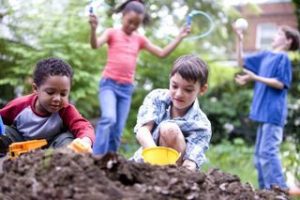
Through ‘Play based learning’, both short and long-term concepts and life skills are developed in meaningful and practical ways without having any pressure to perform to set targets or know a set answer. By utilising ‘Play’, children explore, investigate, recreate and develop learning experiences, which help them make sense of their world.
Therefore, as a way of learning we need to recognise that ‘Play based learning’, is not limited to imaginative role play but includes spontaneous, self-initiated activities that support all areas of personal interests, self-inquiry, experimentation, risk taking, questioning and exploration to name but a few. Through practical experiences and in a none pressurised way child practise and test their theories by building on from existing knowledge to higher levels of thinking by putting their skills into use without any boundaries or having the fear of not getting the right answer. As ‘Play’, is open ended and has no boundaries it supports learning across all areas of development.
As children grow and develop they practice a whole range of skills that allow them to explore personal opinions and ideas in order that they learn how to control themselves, work alongside others as well as on their own, plus understand the social codes of behaviour and expectations. They can work on specific tasks in collaboration with their peers and with adults who can promote and develop their natural interests. Play is essential for physical, intellectual, linguistic, emotional, and behavioural and social development.
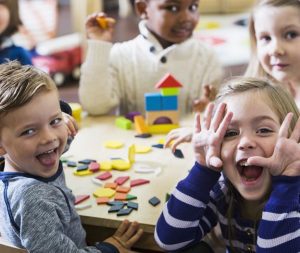
Unquestionably, through play children:
- Communicate with others as they investigate and solve problems.
- They express fears or re-live anxious experiences in controlled and safe situations.
- Engage in social interactions and explore emotions
- Solve problems, think and critically analyse theories or ideas
- Develop concepts at a speed that is relevant to their own needs and understanding
We need to understand the science of play. In short, young children learn best when they are actively involved in the process of exploration, experimentation, social interaction, questioning, taking risk taking, and taking ownership of their learning.
Want to learn more about Play? Read more: Why is ‘Active Learning’ important as opposed to the isolation or memorisation of facts and figures?
About GSE
Global Services in Education plans and opens international schools for investors, developers and governments, and manages them once they are running. GSE has delivered more than 60 school and education projects across 28 countries. Management agreements run a minimum of ten years.
The company was founded in 2011 by Greg Parry and Shanna Parry.
Related Articles
Humans in the AI Loop: What Schools Owe Their Students Now
A school’s account of whether a child is learning rests on work the child produces. When that work can be generated in seconds, the school loses its instrument.
Learning Time Is Sacred: How Schools Lose Teaching Hours, and How to Protect Them
Most of what interrupts a lesson is authorised by someone other than the teacher. How to count what the school is losing and protect the time.
The Games We Play: Power, Insecurity, and Leadership in Schools
How hidden power dynamics and insecurity shape school leadership, and what authentic leaders do about them.