
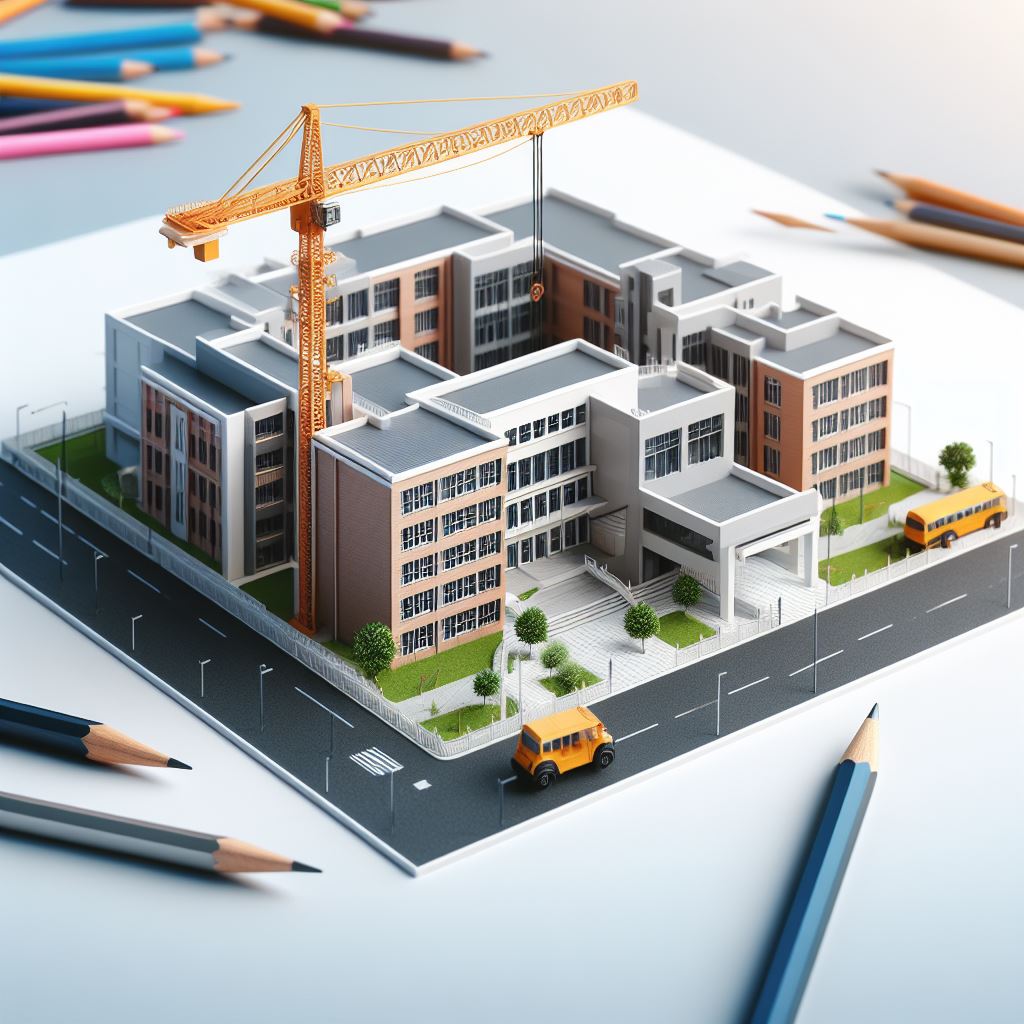
Building a New School Facility or to Renovate
Deciding on a new school facility or to renovate is an early conversation with many new school projects. Educational institutions worldwide are continually seeking the perfect space to nurture young minds. However, the path to creating an optimal learning environment is not always straightforward.
When it comes to school expansion or construction, educators, investors, and architects often face a significant decision:
Should they build a brand-new facility, renovate an existing school, or repurpose a different type of building to become a school?
Each option presents its unique set of challenges and opportunities. This article aims to help you understand the considerations for a new school facility or renovating.
Building a New School
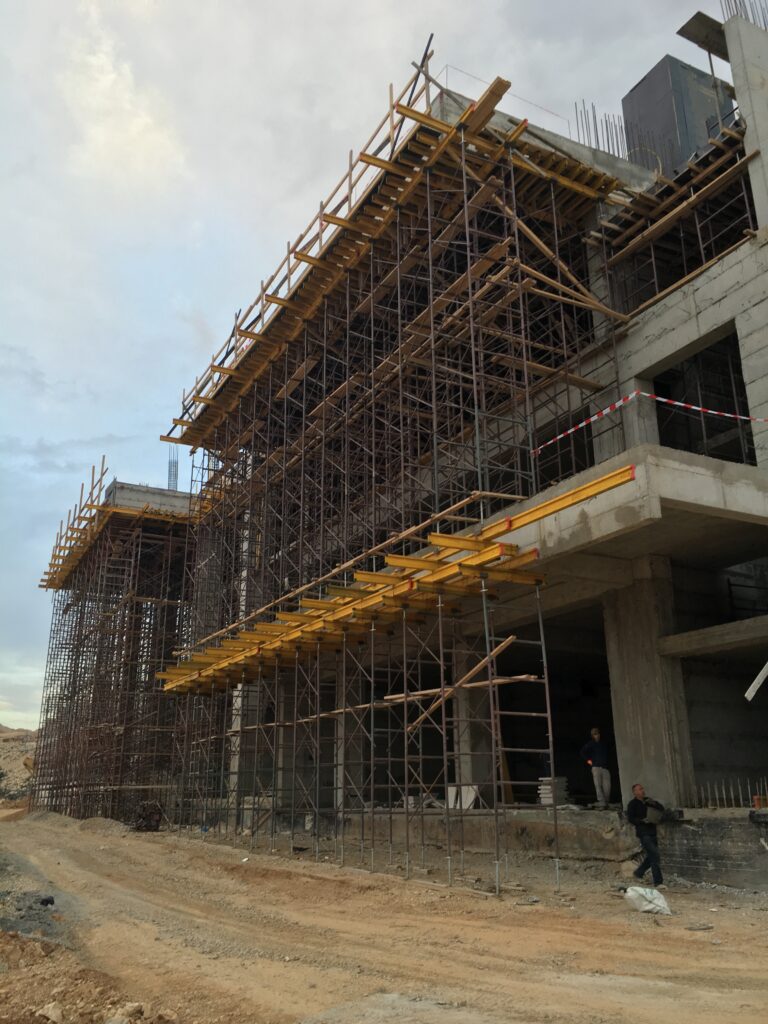
Constructing a new school from the ground up is the most straightforward option. It offers a blank canvas for designing modern, state-of-the-art educational spaces. Some view new construction as prohibitively expensive, but in reality, the cost of renovation and new construction can be quite similar. This is especially true when dealing with older or historic school buildings, where significant unexpected costs can quickly add up.
Effective planning and design teams guide their clients through a point-by-point analysis of the facilities options. They emphasise the importance of evaluating the cost, community connection, safety, capital maintenance needs, adaptability to the academic program, and sustainability goals. For instance, modern school designs embrace student-centred approaches to instruction, with adaptable classrooms designed for active learning, collaboration, and small-group activities. When considering whether to build a new school facility or to renovate, the goals of the school need to be clear.
How do we determine cost?
A simple way is to use our Ground Floor Area GFA calculator and then multiply by an approximate build cost.
Renovate an Existing School
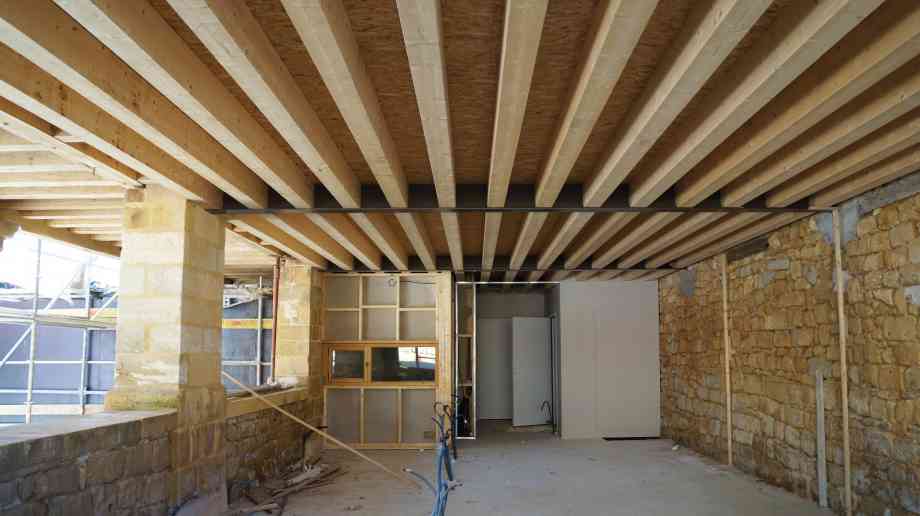
Renovating an existing school can be a thoughtful choice, preserving the historical and emotional connection a community may have with its school building. However, it’s crucial not to underestimate the challenges of school renovation projects. If the school is still in operation, safety concerns come to the forefront, as renovations often require taking sections of the building offline during parts of the year, potentially disrupting the learning environment. The timelines for completion as well as disruption to student revenue need to be considered in the planning process for a school facility or renovating.
Assessing an existing school’s building systems and exterior envelope is essential. It provides an opportunity to enhance insulation, increase natural daylighting, and improve energy efficiency. However, it’s vital to consider the cost-effectiveness of these improvements.
How do we determine cost?
You will need to determine the ground floor area and then multiply by an approximate renovation cost. An accurate estimate using qualified personnel will be important however because just like renovating homes the exercise is complex.
Repurpose a Facility
Innovative investors and developers are now exploring the concept of repurposing existing facilities, turning unconventional spaces like retail malls, warehouses, or abandoned buildings into vibrant, high-performance learning environments. Repurposing can be a cost-effective solution, offering significant time and budget advantages over new construction.
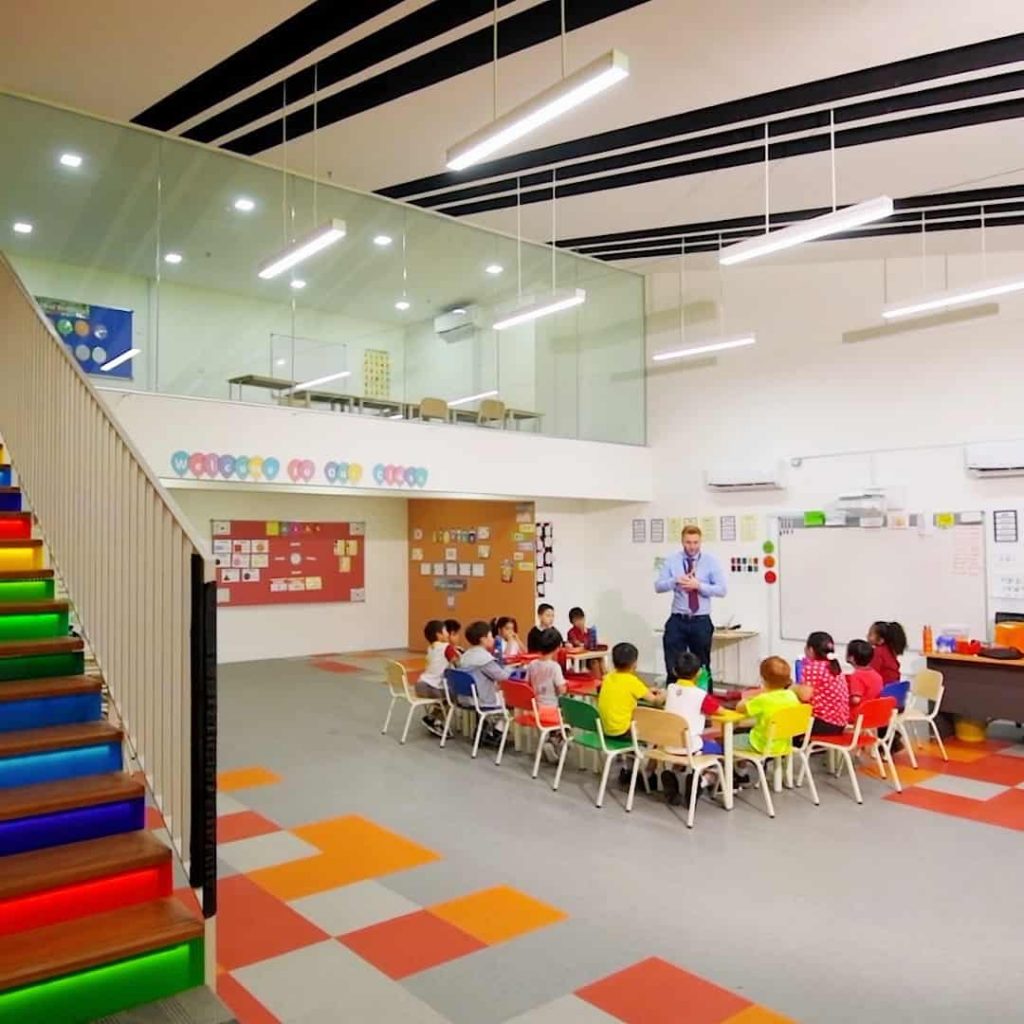
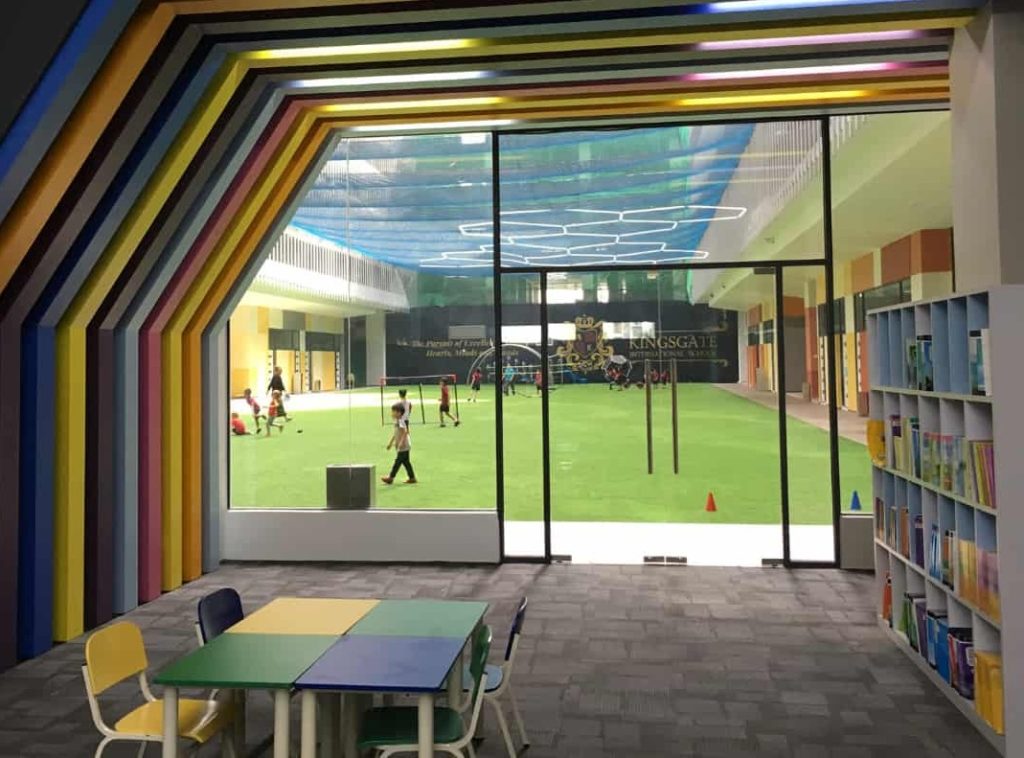
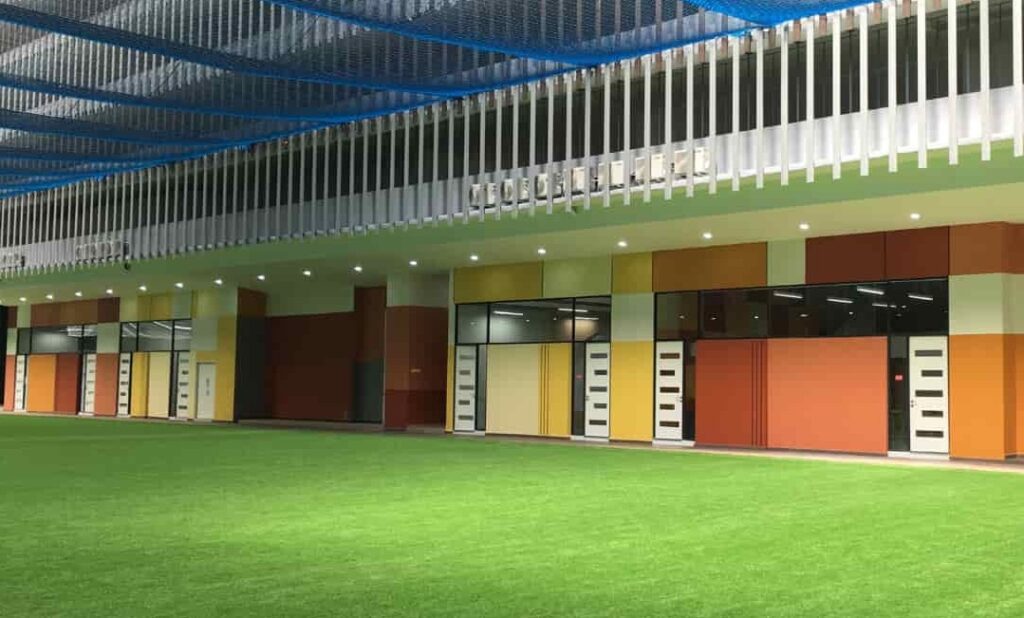
GSE has successfully converted a shopping mall and mixed use space into a school in Asia. (Kingsgate International School) It has also been done successfully in the US city of Burlington, Vermont.
When repurposing, high ceilings are a necessity for accommodating modern mechanical systems and ensuring adequate air quality. Plumbing infrastructure, including water and sewer service, must be evaluated for compatibility with educational needs. Security is another crucial consideration, ensuring secure entry points, exit routes, exterior lighting, and access to emergency services. Similarly, overly large spaces with high ceilings, concrete walls, floors and ceilings can be challenging for acoustics. There is a lot to consider.
Daylighting is vital for creating high-performance learning spaces and may require extensive retrofitting in repurposed buildings. This can include adding windows, clerestories, skylights, and light wells to infuse natural light into the interior spaces. While daylighting schemes can be costly, they are essential for creating optimal learning environments.
A crucial factor is also play, recreational and sporting facilities. This can be achieved by using large internal spaces or repurposing outside spaces. A modern and very successful trend is the concept of “community education precincts” whereby relationships are created between facilities as shared use spaces. Sharing local community sports fields, tennis/basketball courts and especially swimming pools are strategically very good decisions for communities. School facilities are very under utilised after hours and weekdays while community facilities are rarely used during the week days. This model is not only a valid choice but often encouraged in many communities.
Repurposing becomes impractical if the costs exceed two-thirds of what a new facility would cost. Deciding between renovation, repurposing, or new construction should not be solely about economics but also about providing students with an environment they can take pride in.
The decision to build a new school, renovate an existing one, or repurpose a facility is multifaceted. Each option has its merits and challenges. Effective planning, comprehensive evaluations, and careful consideration of factors like cost, safety, sustainability, and the well-being of students and staff are essential in crafting the ideal educational space. Whether it’s the traditional appeal of a new build, the preservation of history through renovation, or the innovative approach of repurposing, the choice should align with the unique needs and aspirations of the community it serves.
The building follows the model
Space, capacity and cost on a school facility are downstream of the enrolment it expects to reach and the fees it will charge. Design decisions taken before that modelling is done tend to lock in a building the business then has to work around for twenty years.
GSE plans and opens international schools for investors and developers, and manages them once they are running. GSE has delivered more than 60 school and education projects across 28 countries.
If you are still working through the numbers, start with how to open an international school or a school feasibility study.