
Contradictions in international schools are some of the most positive characteristics that create global citizenship.
“International schools are like glass domes where young minds step out of their familiar worlds each day and into a terrarium of global experiences. Within this unique space, they grow into internationally minded citizens, able to engage with and appreciate diversity in ways that few others could imagine.”
Greg Parry, CEO
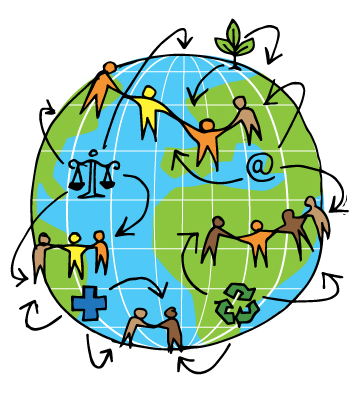
International schools are intricate landscapes where diverse ideas and seemingly contradictory forces converge to create an environment that is both challenging and enriching. Balancing these forces is not about choosing one over the other but finding harmony in the differences. This approach is essential for fostering a school community that is both strong in its principles and adaptable in its practices for global citizenship.
One of the most critical balances is between upholding clear principles, character, and values and addressing school operations’ pragmatic, often emotionless, necessities. International schools teach students to navigate life with integrity, empathy, and respect for others. These values are deeply rooted in the school’s mission to develop responsible global citizens. However, alongside these ideals, schools must also manage the practical aspects of running an institution—budgeting, logistics, and regulatory compliance. While these tasks may seem detached from the warmth of educational ideals, they are the backbone of a stable environment where those ideals can thrive and foster global citizenship.
Another vital balance is between the pursuit of educational excellence and the need for financial sustainability. Schools must strive to provide the best possible education, inspiring students to achieve their fullest potential. Yet, this mission must coexist with the practical need to generate revenue and manage costs. Without financial stability, even the most visionary educational programs cannot endure. The challenge is to pursue academic excellence while making sound financial decisions, ensuring that the school remains viable and continues to offer outstanding education for future generations.
Curriculum design presents another essential balance: the emphasis on STEM (Science, Technology, Engineering, and Mathematics) versus the value of artistic and creative pursuits. STEM subjects are critical for driving innovation and solving global challenges, but the arts and creative disciplines are equally vital. They foster creativity, emotional expression, and the ability to think beyond conventional boundaries. History has shown that the most remarkable innovations often emerge at the intersection of these fields. By embracing both STEM and the arts, schools empower students to explore diverse ways of thinking, making them well-rounded and imaginative problem solvers.
Moreover, international schools must cultivate a respectful understanding of different paradigms, religions, and political perspectives. Global citizenship happens when students come from diverse cultural backgrounds, so it’s essential to create an environment that encourages open-mindedness and respect for diversity. Schools should teach students to appreciate the richness of different cultures and viewpoints while staying true to their own core values. This balance helps students develop a strong sense of identity while also preparing them to engage respectfully and thoughtfully with the global community.
“True harmony is found not in the differences that divide us, but in the shared values and commonalities that unite us across cultures, religions, and politics. When we focus on what connects us, we build a foundation for understanding, respect, and lasting peace.”
Greg Parry, CEO
In addition to these core areas, international schools must balance global citizen perspectives with a connection to the local community. Students in these schools often hail from various cultural backgrounds, and while cultivating global awareness is crucial, it’s equally important to root students in the local culture and context. This balance fosters a sense of belonging and community while preparing students to engage with the wider world.
Another crucial dynamic is the balance between discipline and structure versus flexibility and innovation. Schools must provide a structured environment where students know what is expected of them, yet they must also allow space for creative teaching methods, student-led initiatives, and innovative learning experiences. This blend of order and freedom not only sparks curiosity but also encourages students to take ownership of their education.

Schools must instil in students a determination and focus aligned with core values that they and their families respect. This includes teaching them to navigate a world of global citizenship that cares deeply about diversity and global perspectives. By fostering these qualities, schools help students develop the resilience and adaptability needed to thrive in a complex, interconnected world.
The success of an international school lies in its ability to harmonize these complementary forces. International schools create vibrant learning environments by balancing principles with pragmatism, excellence with sustainability, and individual values with global awareness. These schools educate and inspire, preparing students to lead with both heart and mind in a diverse and ever-changing world.
If you want to learn more about the steps required to set up a school check out some of our other articles:
– Steps to Setting Up a New School
– 10 Steps and Articles on How to Set Up a New School
– GSE International School Franchise Models
To talk about your school project, reach us through the contact page.
About GSE
Global Services in Education plans and opens international schools for investors, developers and governments, and manages them once they are running. GSE has delivered more than 60 school and education projects across 28 countries. Management agreements run a minimum of ten years.
The company was founded in 2011 by Greg Parry and Shanna Parry.